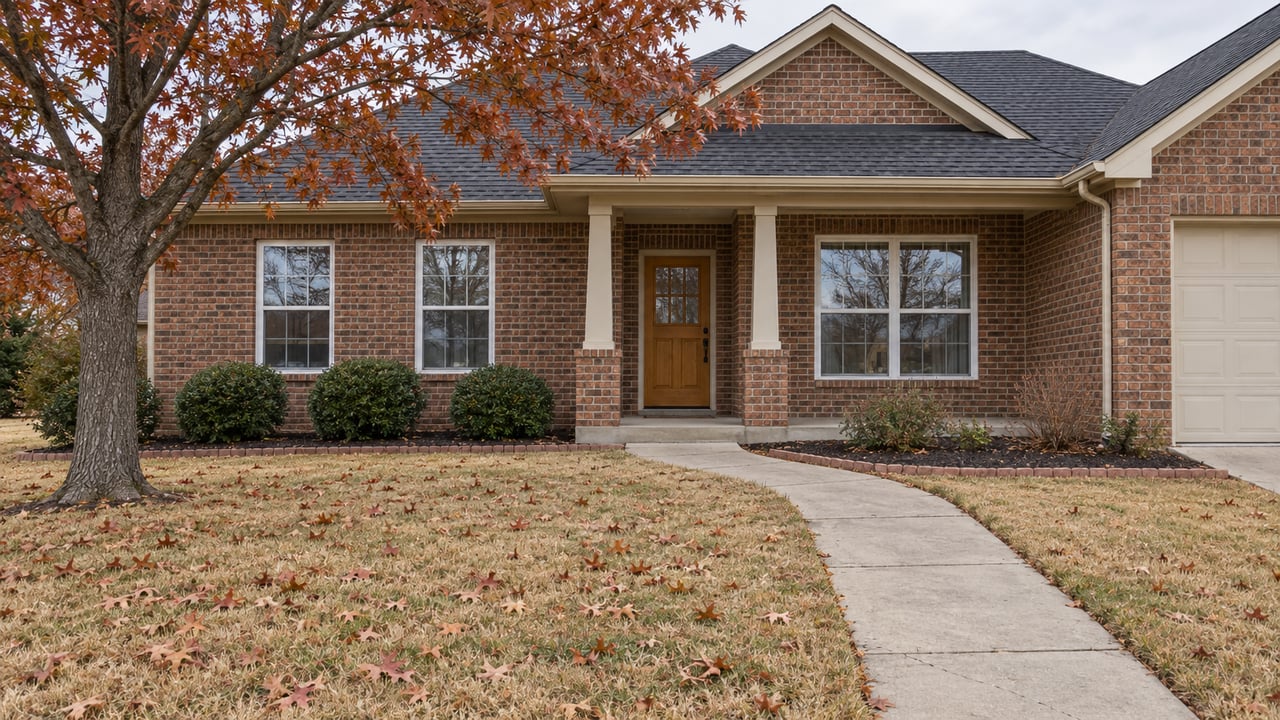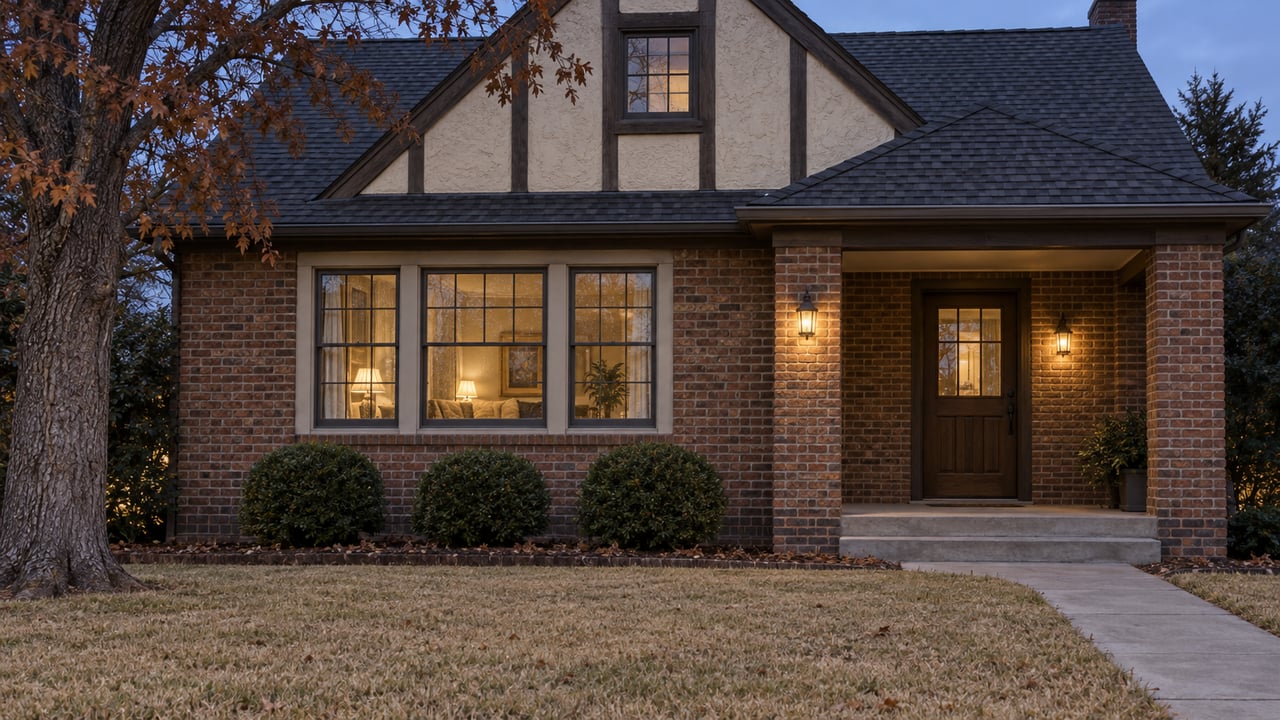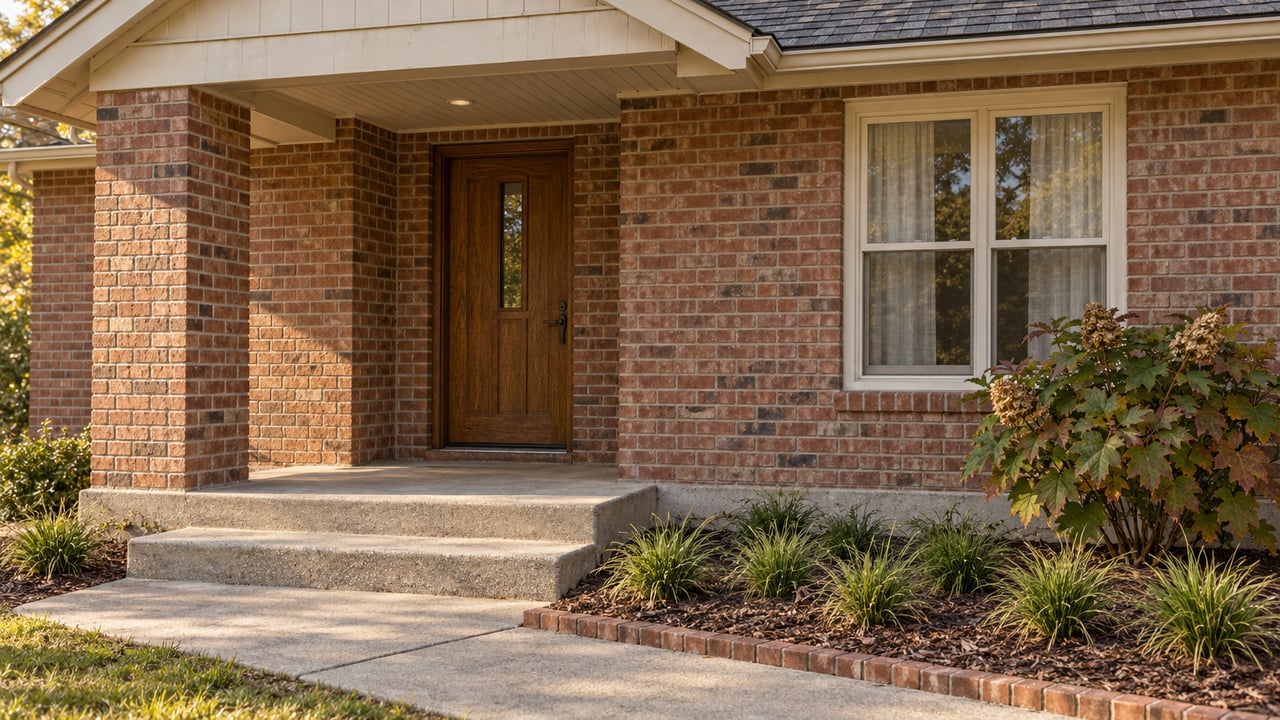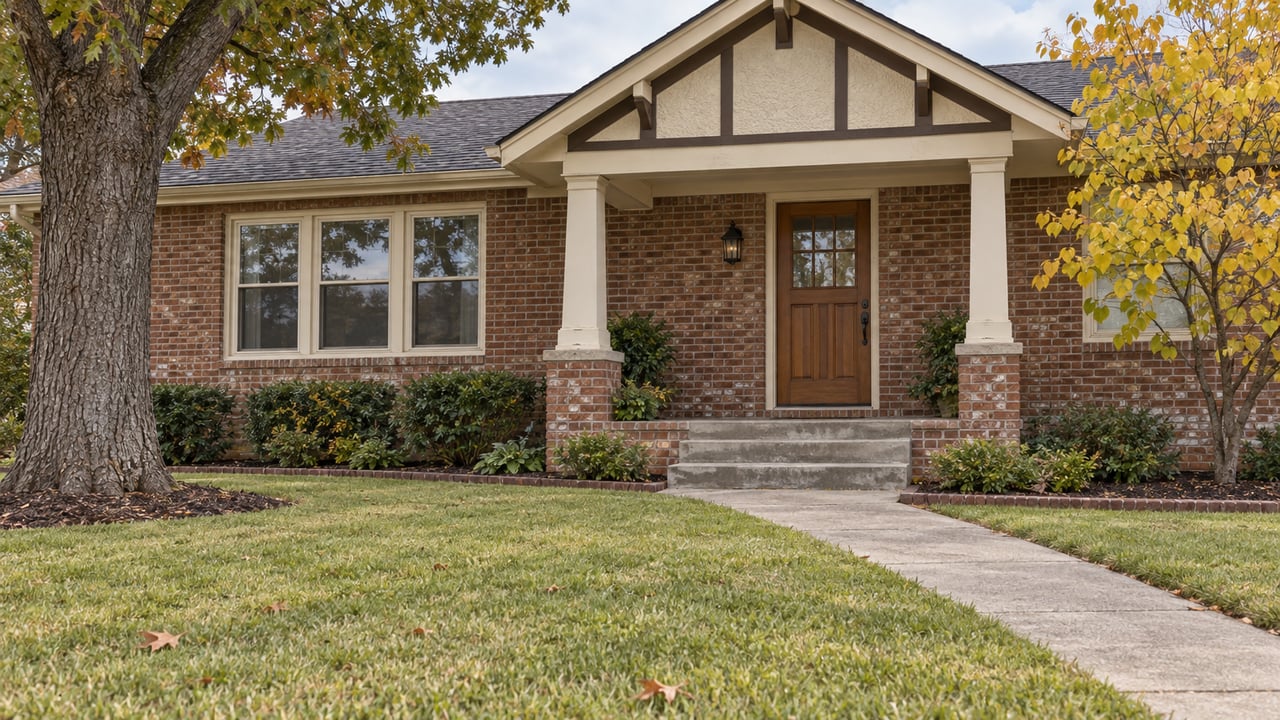
Picture two identical houses on the same Tulsa County street, with the same square footage and the same market value on the Assessor's books. One sold 10 years ago and the other sold three years ago. The Tulsa County Assessor's own FAQ uses this example to explain why those two homes can carry "a significantly different taxable value."
That difference catches people at the closing table. A sale can bring a change in taxable value. On Nov. 3, Oklahoma voters will decide on a measure that would slow how fast those capped values can rise. The proposal keeps the transfer rule.
The cap and property transfers
Under the Oklahoma Constitution, the taxable fair cash value of a home with a homestead exemption can rise no more than 3% a year. For other locally assessed real property, the limit is 5%. The same section says the cap doesn't apply in any year when title is "transferred, changed, or conveyed to another person."
The Tulsa County Assessor's FAQ discusses why taxes can be higher than a realtor projected, citing Title 68 O.S. §2817.1. It also discusses the effect of improvements, such as an in-ground pool or an addition, on taxable value.
Here's how one value becomes a tax bill in Tulsa County:
- Fair Cash Value (Market): what a knowledgeable buyer and seller would agree on. The Assessor recalculates it every year, and it has no cap.
- Taxable Fair Cash Value: the capped figure. It can rise 3% a year with a homestead exemption and 5% without one.
- Assessed Value: currently 11% of taxable fair cash value. Exemptions come off this figure, and millage rates apply to it.
Tulsa prices are rising faster than the cap
When market values outpace the cap, that space grows. In August 2026, the median sale price for residential property in Tulsa County was $290,000, up 5.45% from $275,000 in August 2025. Year to date through August, the median was up 3.94%. Both figures come from Greater Tulsa Association of REALTORS® MLS data compiled by RE STATS Inc., in a report dated Sept. 14, 2026.
Either rate is above 3%. Even in a moderate year, the market value of a homesteaded house can pull away from its taxable value, and the gap compounds for as long as the same owner stays.
The Assessor's office has shown how large this gets across the whole county. Its Property Taxation 101 presentation puts Tulsa County's 2025 real property fair market value at $84,658,700,362 against a taxable value of $65,195,507,000. That's a difference of roughly $19.5 billion. It's a countywide total for all real property and has several causes, so it isn't the discount on any one home. The same presentation says the cap "shifts tax burden to the least able to pay and to areas not going up in value."
What SQ 847 would change, and what it keeps
State Question 847 would lower the homestead and agricultural cap from 3% to 1.75%. It would lower the cap on other real property, including rentals and commercial property, from 5% to 4%. Both changes would start in tax year 2027. The proposed text keeps the transfer rule. As Oklahoma Watch notes, the measure wouldn't lower property tax rates.
So the lower cap would slow growth in taxable value for people who stay in their homes. The following illustration assumes a homestead with market and taxable value both at $200,000 in 2026, and market value rising 3.94% a year, which matches Tulsa County's year-to-date pace through August 2026. It isn't a forecast.
| After five years of growth | Taxable value at 3% cap | Taxable value at 1.75% cap |
|---|---|---|
| Taxable fair cash value | $231,855 | $218,123 |
| Assessed value at 11% | $25,504 | $23,994 |
| Gap below market value | $10,774 | $24,506 |
In this example, the staying owner's taxable value ends up about $13,700 lower under the 1.75% cap.
How both sides describe it
Supporters and opponents of SQ 847 agree on how the measure works and disagree on whether it's a good trade.
House Speaker Kyle Hilbert and Senate President Pro Tem Lonnie Paxton sponsored the measure. Oklahoma Watch reported that supporters say it would help households and business owners facing inflation, and quoted Hilbert saying it "would give the lowest cap on growth for homestead property in the entire country." The Oklahoma Farm Bureau has endorsed it.
Opponents say the issue is who pays. The Oklahoma Policy Institute summarizes critics' argument that the measure benefits long-term owners and shifts costs to new buyers, because a sale resets taxable value. In a separate analysis, the institute cites University of Central Oklahoma professor Ryan Kiggins, who estimates that local revenue would fall by $42 million in the first year and $241 million by the fifth. Oklahoma Watch also reported an Oklahoma City estimate that the city could lose $683 million in bonding capacity over 20 years.
For seniors, property values and the freeze
Older homeowners may have owned their homes for a long time and may also have the senior valuation freeze.
Tulsa County's senior valuation freeze freezes taxable value, not the tax bill. Levies can still go up.
If SQ 847 passes, it adds income tiers for homestead owners 65 and older whose income is above the freeze limit. Their annual cap would range from 0.35% to 1.75%, depending on how far above the limit they are. The Oklahoma Policy Institute says it wouldn't change the current senior freeze program.
Quick answers
When would SQ 847 take effect? Only if voters approve it on Nov. 3, 2026. The new caps would start with tax year 2027.
This post is general information, not legal, tax or financial advice. Before you make decisions, please check your own situation with the Tulsa County Assessor's office or a tax professional.
If you're weighing a sale or a downsize, Joanna Ford can walk you and your family through the move. Let's Connect.